
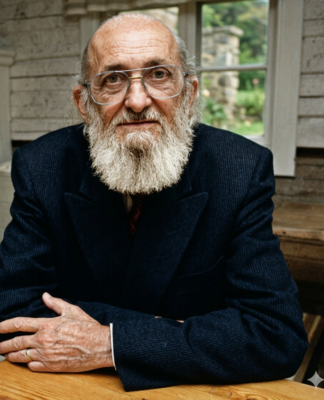
Paulo Freire was born on September 19, 1921, in Recife, Pernambuco, Brazil. He was a Brazilian educator and philosopher best known for developing the concept of critical pedagogy, a teaching method that encourages students to question and transform society. Freire studied law and philosophy at the University of Recife but later devoted his career to education and literacy programs. His famous book Pedagogy of the Oppressed became one of the most influential works in educational philosophy. Through his literacy campaigns and social education reforms, Paulo Freire helped empower millions of people and became a global symbol of progressive education.
Freire believed education should help people understand social inequalities and empower them to change their lives. His work has inspired educators, activists, and policymakers around the world.
Birthday
Paulo Freire was born on September 19, 1921.
Birth Place
He was born in Recife, Pernambuco, Brazil, a region that faced poverty and social inequality during his childhood.
Early Life
Freire grew up during the Great Depression, which deeply affected his family financially. Experiencing poverty firsthand helped him understand the struggles of marginalized communities.
These early experiences inspired him to dedicate his life to improving education for poor and disadvantaged people.
Education
Freire studied law, philosophy, and linguistics at the
University of Recife.
Although trained as a lawyer, he chose a career in teaching and education reform. His academic interests focused on literacy, social justice, and the role of education in society.
Career
Paulo Freire worked as an educator and literacy activist. He developed innovative teaching methods that helped illiterate adults learn to read and write quickly.
In the 1960s, his literacy programs helped thousands of Brazilian workers gain basic education and political awareness.
His famous book
Pedagogy of the Oppressed
became one of the most important works in modern educational theory.
Freire later worked with international organizations and universities, spreading his ideas across Latin America, Europe, and North America.
Short Details
| Field | Details |
|---|---|
| Full Name | Paulo Reglus Neves Freire |
| Birth Date | 19 September 1921 |
| Birthplace | Recife, Pernambuco, Brazil |
| Nationality | Brazilian |
| Profession | Educator, Philosopher |
| Famous For | Critical Pedagogy |
| Famous Book | Pedagogy of the Oppressed |
| Education | University of Recife |
Family
Paulo Freire married Elza Maia Costa de Oliveira, who was also a teacher and supported his educational work. The couple had several children and shared a deep commitment to social justice and education.
Zodiac Sign
Paulo Freire’s zodiac sign was Virgo, which often represents intelligence, analysis, and dedication to service.
Struggle
Freire faced political persecution during Brazil’s military dictatorship in the 1960s. His educational ideas were seen as politically radical.
He was arrested and later forced into exile, living in countries such as Chile, the United States, and Switzerland. Despite these challenges, he continued writing and teaching around the world.
Hobbies
- Reading philosophy and literature
- Writing books and essays
- Teaching and discussing social issues
- Traveling and giving lectures
Success
Freire’s educational philosophy gained international recognition. His ideas transformed adult education, literacy campaigns, and social education movements globally.
Today, many universities and educational programs study his theories.
Achievements
- Developed the concept of Critical Pedagogy
- Helped millions of adults learn literacy skills
- Influenced educational reforms worldwide
- Authored one of the most cited books in education
Awards
Paulo Freire received numerous international honors, including honorary doctorates from universities around the world for his contributions to education and social justice.
Famous Quotes
- “Education does not change the world. Education changes people. People change the world.”
- “Reading the world always precedes reading the word.”
- “Teaching is not transferring knowledge but creating possibilities for its production.”
Interesting Facts
- Freire’s book Pedagogy of the Oppressed has been translated into dozens of languages.
- His teaching methods are used in literacy programs worldwide.
- He spent several years living in exile because of his political views.
- He later returned to Brazil and continued his work in education reform.
FAQ
Q1: Who was Paulo Freire?
He was a Brazilian educator and philosopher known for developing critical pedagogy.
Q2: Why is Paulo Freire famous?
He is famous for his book Pedagogy of the Oppressed and his revolutionary ideas about education and social justice.
Q3: When was Paulo Freire born?
September 19, 1921.
Q4: What was Paulo Freire’s teaching philosophy?
He believed education should encourage critical thinking and empower people to challenge social inequality.
Q5: Where did Paulo Freire study?
He studied at the University of Recife in Brazil.
Conclusion
Paulo Freire transformed the way educators think about teaching and learning. His philosophy emphasized dialogue, awareness, and empowerment, making education a powerful tool for social change.
Even today, his ideas continue to influence schools, universities, and literacy programs around the world. Freire’s legacy reminds us that education can be a force for equality and human freedom.